

Al-Azhar Seminar in Cairo
2025-2026
Certificate of Completion - Seminar in Qurʾānic Studies & Muslim-Christian Relations
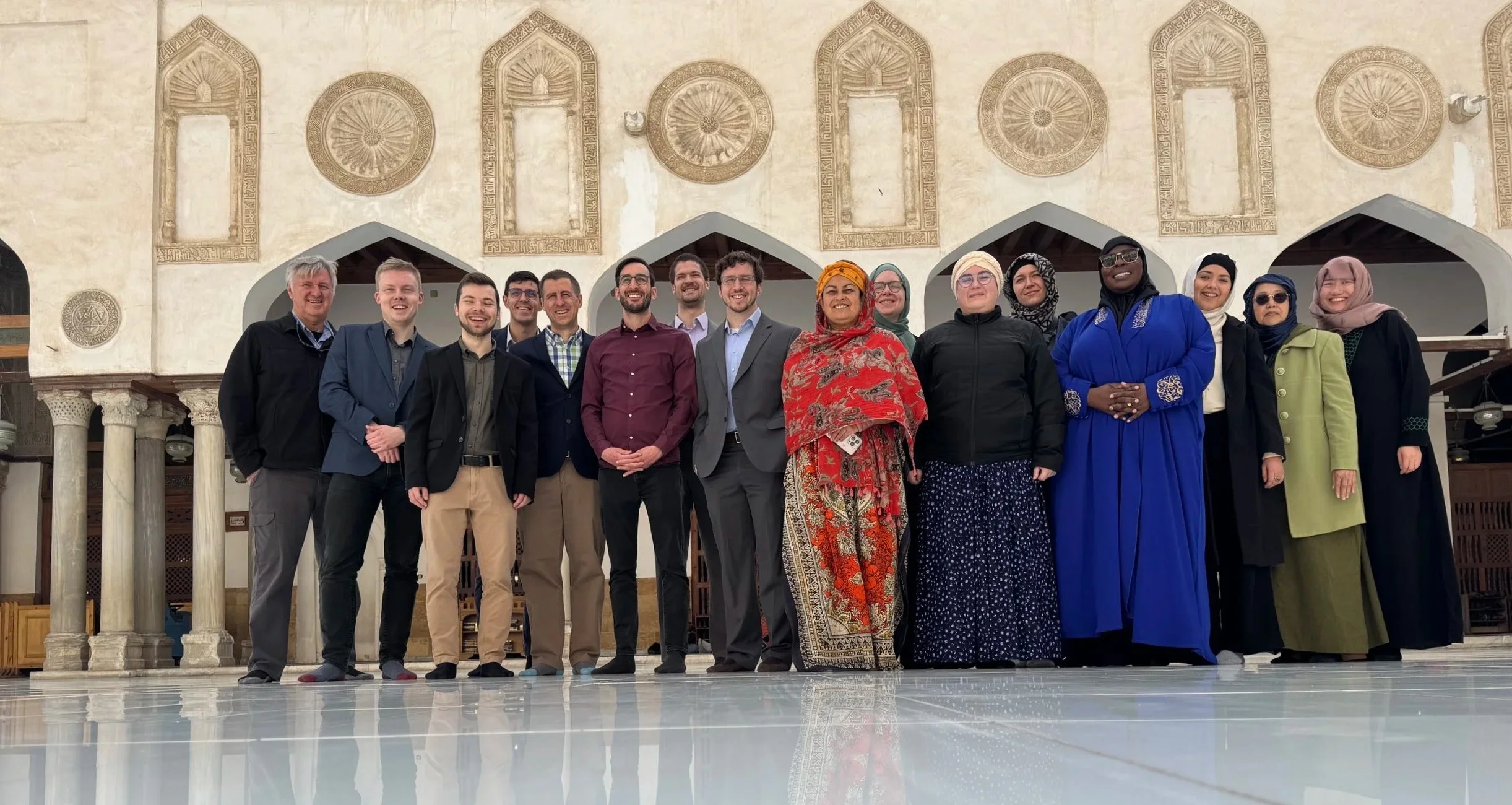
The program included lectures (65 hours) by esteemed Al-Azhar professors and scholars on the interpretation, history, and theological foundations of the Qurʾan, guided discussions with Christian scholars, and engagement with key Islamic institutions and learning contexts relevant to Qurʾanic study.
Lectures on Qurʾanic Studies:
1. Introduction to the program, presentation of Al-Azhar - 29/12/25
2. The Descent of the Noble Qurʾān - 29/12/25
3. Knowing through the Noble Qurʾān - 30/12/25
4. The Work of Memorizing the Qurʾān - 30/12/25
5. Modern Western Scholars and their Position regarding the Noble Qurʾān - 31/12/25
6. The Pronunciation of the Noble Qurʾān - 31/12/25
7. The Qurʾān and its Link to Islamic Doctrine, Islamic Philosophy, and Ethics - 1/1/26
8. Scientific Exegesis of the Noble Qurʾān - 1/1/26
9. Historicism and its Effect on the Qurʾānic Text for Modernists - 4/1/26
10. Critical Study for the Translations of the Noble Qurʾān - 4/1/26
11. The Debate of the Createdness of the Qurʾān between Ashʿarīs and Muʿtazilīs - 5/1/26
12. Exegetical Schools - 5/1/26
13. The Compilation of Qurʾān and its History - 6/1/26
14. Allusive Exegesis of the Noble Qurʾān - 6/1/26
15. The Clear Verse and the Ambiguous Verse - 7/1/26
16. The Place of the Pious Ancestors - 7/1/26
17. Specious Arguments about the Noble Qurʾān - 9/1/26
18. The Human and the Civilizational Dimension in the Noble Qurʾān - 9/1/26
19. Integrative Reflections on Qurʾānic Studies: Christian Scholarly Perspectives - 28/12/25 - 9/1/26
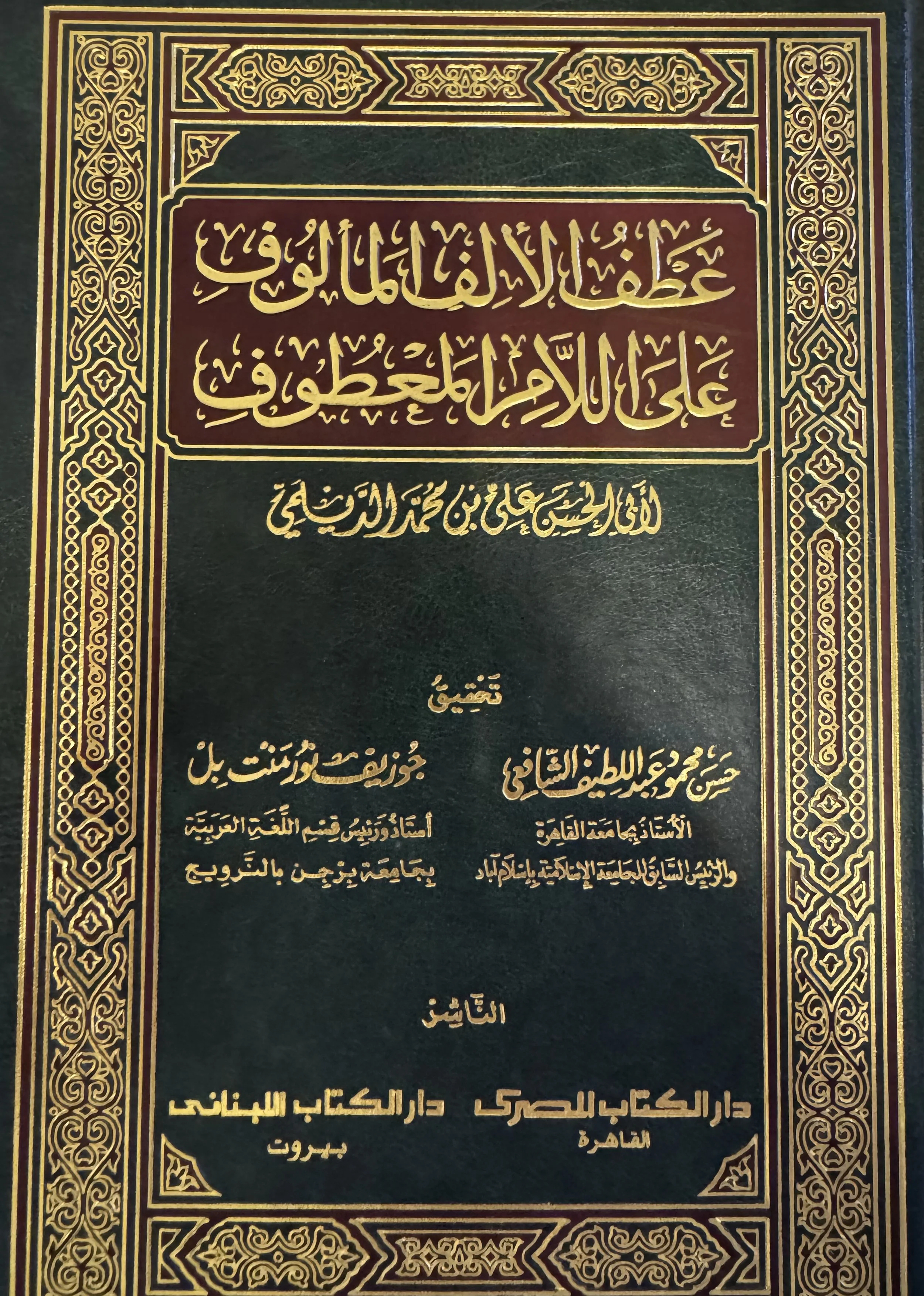
Scholars who made major contribution to our academic program.
Instruction in this seminar combined primary Islamic scholarship with Christian theological reflection. Core lectures were presented by Shaykh Dr. Ḥasan al-Shāfiʿī of al-Azhar University, whose teaching represented the depth and rigor of the Sunni scholarly tradition. Additional professors appointed by Shaykh Dr. Ḥasan al-Shāfiʿī included:
Dr. Muḥammad Abdel Haleem (King Fahd Professor of Islamic Studies, SOAS University of London)
Dr. Sonia al-Helbawy (D.Th., al-Azhar University)
Dr. Sohaib Saeed (M.Sc., University of Edinburgh; Ph.D., SOAS University of London)
and other distinguished scholars of al-Azhar University
Complementary sessions were facilitated by Christian scholars who provided structured opportunities for synthesis, theological engagement, and application:
Dr. Joseph Cumming (Ph.D., Yale University)
Dr. Damaris Wilmers (Ph.D., Georg-August-University Göttingen)
Dr. Jason Welle (Ph.D., Georgetown University)
Learning Outcomes from this historic seminar on Qur’anic Studies at Al-Azhar
Better understand how devout Muslims see their relationship with God through the lens of Qurʾānic teaching and interpretation and be able both to connect this with students’ own relationship with God in Christ and to apply it in their ministry relationships with Muslim friends.
Better understand the mainstream Sunnī view of inspiration and the uncreatedness of the Qurʾān and relate this constructively to their own understanding of the inspiration of the Bible, as well as parallels between the Islamic doctrine of the Qurʾān and Chalcedonian Christology.
Understand various Islamic approaches to exegesis of Scripture, and as well as both similarities and differences with traditional Christian approaches to exegesis and hermeneutics. Students will be challenged to rethink their own approach to both the Bible and the Qurʾān and will be better equipped to discuss the Qurʾān and the Bible with Muslim friends.
Understand the traditional Islamic approach to variant readings of the text of Scripture and how Muslim scholars’ premises and conclusions differ from Western textual criticism. Students will be challenged to rethink their own approach to textual variants and will be better equipped to discuss them with Muslim friends in relation to both the Qurʾān and the Bible.
Develop an understanding of key ethical themes in the Qurʾān and how these shape the worldwide Muslim community. Students will be able to relate these to the Qurʾān-informed beliefs and practices of their Muslim friends.
Grow in their ability to engage constructively and respectfully with spiritually devout Muslims in a manner that honors Christ and reflects a sympathetic understanding of how Muslims see their own relationship with God through the Qurʾān.
Better understand the history, present role, and pedagogical traditions of Al-Azhar, particularly as they relate to Qurʾānic scholarship and instruction.